How to Start the Mediterranean Diet: A Two-Week Ramp
Start with one change, not twelve. A specific day one, three changes in week one, three more in week two, and a kind plan for the day you fall off.
Get the free 7-day plan and shopping list
Start with one change, not twelve. The people who make Mediterranean eating stick almost never switch over in a weekend; they change the fat they cook in, live with it for a few days, then add a legume, then get fish onto the week. Two weeks is enough to move all six defaults, and each change is small enough that nothing else in your life has to move for it.
This page is that ramp, in order, with a specific first day. If you want the reasoning behind the swaps rather than the sequence, mediterranean diet for beginners is the fuller explanation and this is the schedule.
Day one, specifically
Do these four things today. It should take one shop and one dinner.
- Buy a bottle of extra-virgin olive oil and put it beside the hob. Not in the cupboard. Visible, and within reach of the pan.
- Buy four tins: chickpeas, cannellini beans, chopped tomatoes, sardines. That is your floor. On any evening you have nothing planned, one of those four becomes dinner.
- Buy the breakfast you are going to repeat — plain yogurt and fruit, or oats, or eggs and a loaf of whole-grain bread. One breakfast, bought for the whole week.
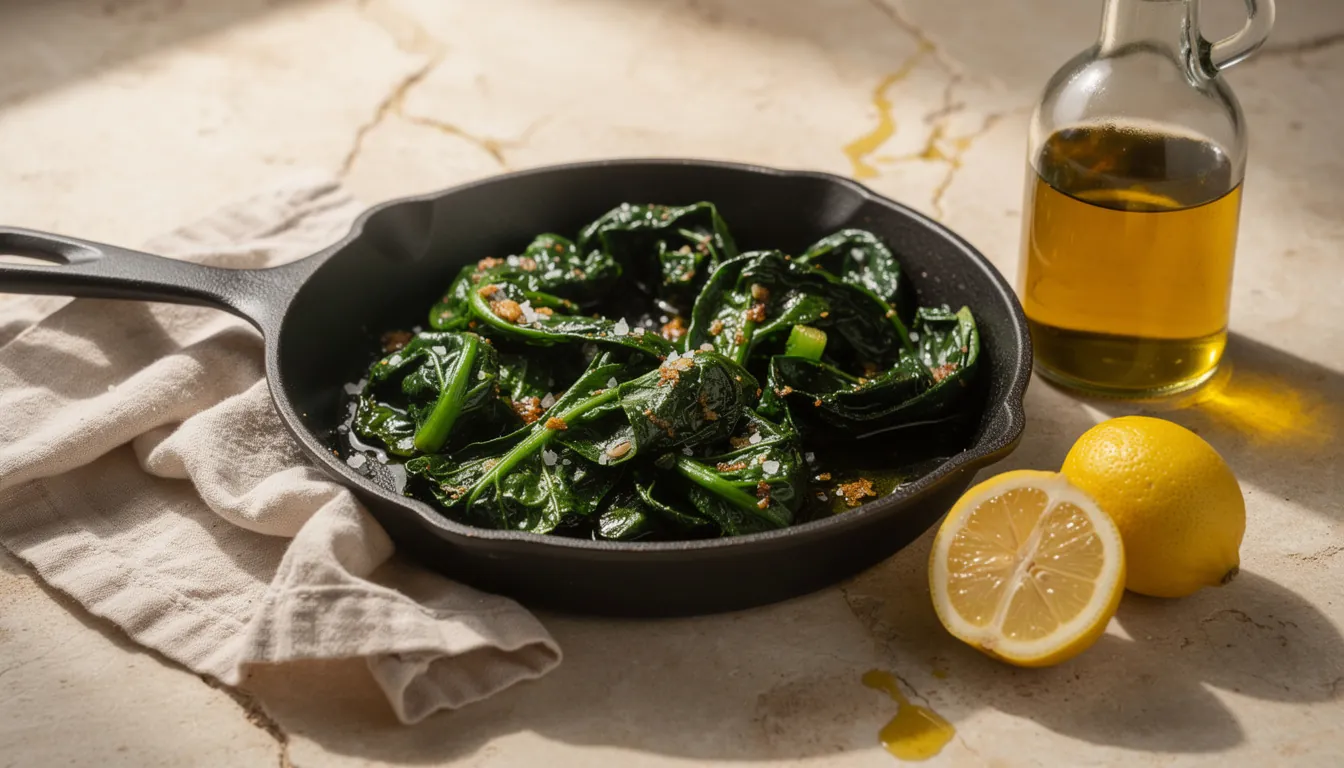
- Cook the chickpea pan tonight. Onion and garlic softened in a generous pour of oil, a tin of chopped tomatoes, a drained tin of chickpeas, fifteen minutes, a handful of spinach at the end, lemon over the top, bread alongside. It is cheap, it takes twenty minutes, and it is the meal most likely to make you do this again tomorrow.
That is day one. No plan, no tracking, no new equipment.
Week one: three changes
Change the cooking fat
For the whole of week one, olive oil is what you cook in. Roasting, frying, dressing, finishing. You do not need to hunt for a special bottle — buy one you are comfortable using freely, because a bottle you are protecting is a bottle you will not pour.
Harvard's Nutrition Source describes olive oil as replacing butter as the primary added fat in this pattern, and notes that the pattern's high total fat intake from sources like oil, nuts and fish is not counted against it. If you want a quantity to aim at, the Mayo Clinic Diet suggests 1 to 2 tablespoons of extra-virgin olive oil a day — that is Mayo's figure, and other sources give none at all.
One practical note: if you are used to measuring fat carefully, this will feel like too much oil. It is meant to. That said, Harvard is equally clear that portions still matter, which is a caveat worth carrying into week two.
Add one legume meal
One, this week. Not five. Chickpeas, white beans or lentils, and any of these three routes:
- Into a pasta. Garlic warmed slowly in a lot of oil, a drained tin of white beans, chopped greens, a ladle of pasta water, parmesan.
- Into a soup. Whatever vegetables you have, stock, a tin of lentils, lemon at the end.
- As the main event. The chickpea pan from day one, with bread.
Tins are fine. Dried legumes are cheaper and they are the reason on a budget works, but week one is not the week to start soaking things overnight.
Make breakfast repeatable
Pick one breakfast and eat it every day this week. Yogurt with fruit and a few nuts. Oats. Eggs with tomatoes on toast. It does not matter which — it matters that you stop deciding.
Breakfast is where most people's day goes sideways, and it is the easiest meal to solve permanently because nobody minds repetition at 7am. Breakfast ideas has a handful more if the first one bores you by Thursday.
Week two: three more
Get fish onto the week, twice
Harvard's Nutrition Source and Oldways both describe fish and seafood at least twice a week; the Mayo Clinic Diet says two to three times. Twice is the floor everyone agrees on, so aim there.
Make one of the two tinned and the target stops being intimidating. Sardines on toast with lemon and black pepper is a ten-minute dinner. Tinned tuna through pasta with olives and tomatoes is another. The second one can be a frozen fillet roasted on a tray with potatoes — thaw it in the fridge the night before and it is no more work than chicken.
Roast one big tray of vegetables
On the first evening you are home in week two, fill a roasting tray: peppers, courgette, red onion, tomatoes, whatever is cheap, plenty of oil, salt, 200C for thirty-five minutes. That tray is two later meals — under a fried egg, folded through grains, crushed with a fork into a rough pasta sauce.
This is the smallest possible version of meal prep, and it does more for the vegetables-at-every-meal habit than any amount of intention. If you find yourself doing it weekly, decent containers that stack and do not leak are the one piece of equipment worth buying.
Swap the default grain
Now, and not before, change the grain you reach for automatically. Whole-grain bread as the house loaf. Brown rice, barley or bulgur as the standing side. Oats already happened at breakfast.
Oldways puts whole grains on the base tier of its pyramid — the tier meant to appear at every meal — alongside fruit, vegetables, legumes, nuts, seeds and olive oil. Pasta does not leave; it just shares the plate more.
What not to bother with at the start
Three things waste the enthusiasm you only have once.
Do not buy speciality ingredients. Not the aged vinegar, not the four kinds of olive, not the imported tinned fish with the nice label. Buy a working bottle of oil and four tins. The grocery list is the short version on purpose; pantry staples is for month two.
Do not count anything. Not calories, not macros, not servings. This site sets no calorie targets, and the frequencies in this pattern are described in weeks, not in numbers per day. If you want a structure to follow instead of arithmetic, that is what a meal plan is for.
Do not throw food away. Nothing here is banned. Bread, pasta, cheese, eggs and red meat all stay in the pattern — they move down the frequency ladder, as foods to limit explains. Eat what you own and change what you buy next.
When you fall off
You will. Some week there will be three takeaways, a birthday, and a Tuesday where dinner was toast standing up. Here is the useful part: none of that matters much, because this pattern is measured in months.
What actually breaks it is not the gap. It is deciding the gap means you have failed, and then waiting for a Monday.
So: restart at the next meal. Not tomorrow, not next week. If the fridge is empty, the chickpea pan needs two tins and an onion. If you have not shopped, sardines on toast is a meal that meets the fish target. If you have lost the thread entirely, go back to day one on this page and do only the first item — put the oil beside the hob and cook in it. One change is a start; a plan to be perfect is not.
Two other things help. Keep the four tins stocked as a permanent floor, so the worst version of your week still lands inside the pattern. And notice that this pattern is unusually forgiving of a bad day, because it has no forbidden foods to fall off from.
After two weeks
By the end of week two you have changed the fat, the grain, added legumes, got fish onto the week twice, made breakfast automatic and roasted a tray of vegetables. That is the pattern. Everything after this is variation.
The natural next step is structure. A 7-day meal plan is the smallest amount of it, a 30-day plan is the version for people who like a longer runway, and the printable plan is the one for the fridge door. If you would rather read the reasoning first, what is the Mediterranean diet covers where the sources agree and where they plainly do not, and mediterranean diet mistakes covers the seven ways this goes wrong. Our kit page lists the few things worth owning.
A last word. This page describes cooking, not care. If you have a diagnosed condition, are pregnant, take medication, or manage allergies, talk to a qualified professional who knows your history before changing how you eat — this site has no dietitian on staff, and our medical disclaimer says so plainly.
Questions people ask
How long does it take to switch over?
Two weeks is a comfortable ramp for most people, and there is nothing special about two weeks other than that it lets you change three things, live with them, and then change three more. Doing it in a day is possible and tends not to stick.
What is the single first thing to do?
Put a bottle of extra-virgin olive oil next to the hob and cook everything in it for a week. It changes more meals per unit of effort than any other change, and it requires no new recipes.
Do I need to throw out the food I already have?
No, and it is a bad start. Nothing in this pattern is banned outright — foods move down the frequency ladder rather than off the list. Eat what is in the cupboard and change what you buy next.
What if I miss several days?
Restart at the next meal, not the next Monday. The pattern is measured in weeks and months, so a run of ordinary days changes very little. The only thing that undoes it is deciding a gap means you have failed.
Should I check with someone first?
If you have a diagnosed condition, are pregnant, take medication, or manage allergies, yes — speak to a qualified professional who knows your history. This site describes an eating pattern and has no dietitian on staff.
Keep going
- Mediterranean Diet for Beginners: A Practical First Week
Five swaps do most of the work. What changes, what stays, your first shop, three dinners you can actually cook, and what to change in week two.
- Mediterranean Diet Grocery List: A Starter and Weekly Shop
A Mediterranean diet grocery list organised by supermarket aisle, split into the one-off starter shop you build once and the short weekly shop you rebuy.
- 7-Day Mediterranean Diet Meal Plan and Shopping List
A 7-day Mediterranean diet meal plan with breakfasts, lunches, dinners and snacks, plus a complete shopping list ordered by supermarket aisle and easy swaps.
Back to Starting from scratch.
This page is general information about food and cooking, not medical or dietetic advice. Read the full disclaimer.